
How to Look Up Lake County Jail Population Data
The first thing to know is what is actually published. The Lake County Sheriff's site reports the jail's rated capacity and the structure of its corrections operation, but it does not host a daily population dashboard or an average-daily-population report on the pages reviewed. So a population lookup here means starting with the official capacity figures and then using state and national sources for the rate-based context that the county does not provide.
For figures beyond capacity, the reliable sources are the U.S. Bureau of Justice Statistics for national jail data and the Vera Institute of Justice for county-level estimates, with the sheriff's own annual reporting as the future local source. Read those numbers carefully and keep clear which are county-specific and which are statewide or national, because mixing the levels gives a misleading picture.
Lake County Jail Capacity Overview
Capacity is the firmest population figure the county publishes. The main jail is rated for 1,085 inmates, and the Sheriff's Work Release Center adds room for 100 more, for a stated correctional housing capacity of about 1,185 beds. The notes column shows how each facility fits into the system.
| Facility | Rated Capacity | Notes |
|---|---|---|
| Lake County Jail | 1,085 | Includes a medical ward; run by the Corrections Division. |
| Sheriff's Work Release Center | 100 | Court-authorized inmates who keep working during a sentence. |
| Total housing capacity | 1,185 | Sum of the jail and work-release capacities. |
The work-release operation is described on the sheriff's Community Workforce Program page.

That program shows why a capacity number alone does not capture the population, since work-release inmates are housed and counted differently from the main jail.
Average Daily Population
Average daily population, or ADP, is the average number of people held across a period. It is the figure most jails use to track crowding and to plan staffing and budgets. Lake County does not publish an ADP figure on the reviewed pages, so a current local number is not available here.
When ADP is published, it usually sits below rated capacity, because intakes and releases churn the count every day. For a county this size, the meaningful comparison is ADP against the 1,085-bed jail capacity. Until the sheriff posts that figure, the Bureau of Justice Statistics and the Vera Institute are the closest sources for jail-population estimates. Treat any ADP you find elsewhere with care, and confirm whether it counts work-release inmates, since the two facilities are staffed and reported separately.
Demographic Breakdown
A demographic breakdown sorts the population by gender, race, and age. Lake County does not publish these percentages on the pages reviewed, so this page does not assign numbers to them. The table instead explains what each category captures, so you know what to look for if the sheriff or a research source releases the data.
| Category | What It Captures |
|---|---|
| Gender | The split of men and women held, including work-release inmates. |
| Race | The racial makeup of the held population. |
| Age | The age distribution, often grouped in ranges. |
National and state demographic context for jails is available through the Bureau of Justice Statistics, which the data-source section links.
Pretrial vs Sentenced Population
One of the most important splits in any jail is pretrial versus sentenced. The county does not publish this ratio for its jail, but the distinction shapes how the population behaves. The table defines each status.
| Status | What It Means |
|---|---|
| Pretrial | Held while a case is pending, before any conviction. |
| Sentenced | Serving a sentence after a conviction or plea. |
Pretrial detainees move with the court calendar, so their numbers shift as cases reach hearings and dispositions in the Circuit and Superior Court.
Misdemeanor vs Felony Population
Jails hold both misdemeanor and felony populations. A misdemeanor is a lower-level offense, while a felony is more serious and carries longer possible time. The county does not publish a charge-level breakdown for its jail, but the mix matters because felony cases tend to stay longer in pretrial status, which keeps beds occupied. People sentenced to long felony terms generally move to state prison rather than staying in the county jail, which is one reason the county jail count and the state prison count are separate measures that should not be added together.
Mental Health and Medical Population
Part of the jail's population needs medical or mental-health care, and the facility is built for it. The Lake County Jail runs a medical ward and provides other healthcare needs. When care exceeds what the jail can offer, the Corrections Division transports inmates to outside medical facilities. The county does not publish how many people are receiving care at a given time, but the medical ward shows the jail plans for a significant medical load.
This is part of why population is operationally complex. The same headcount can include people in medical housing, people out at appointments, and people being moved to court, all on the same day.
Corrections Staffing Behind the Numbers
Population figures only make sense alongside the staff who manage them. The Lake County Jail is run by 170 merit correction officers, and the Sheriff's Work Release Center is staffed by 25 custody officers. Both sit inside a sheriff's department of more than 500 employees that also covers county police, court security, and animal control.
That staffing tells you the jail is built to manage a large, active population near its rated capacity. It also explains why the operation can absorb daily intakes, releases, court transports, and medical runs without a public dashboard tracking each move. The headcount changes constantly, and the corrections staff, not an online tool, keep it current.
What Drives the Lake County Jail Count
Several forces push the population up or down. The court calendar is a big one: as cases reach hearings and dispositions in the county courts, pretrial detainees are released, sentenced, or moved to state custody. Arrests across the county feed new intakes, and work release shifts part of the count outside the main jail each day.
Geography adds another layer. Lake County sits in Indiana's northwest corner inside the Chicago metro area, a heavily populated region with urban, suburban, and rural areas and major interstate and rail traffic. That mix produces a broad criminal and civil docket, which in turn feeds a steady flow through the jail. The population is best understood as a moving figure shaped by the courts, not a fixed headcount.
National and State Context
Because local rate data is thin, national and state context fills the gap. The U.S. Bureau of Justice Statistics publishes national jail population counts and incarceration rates per 100,000 residents, and the Vera Institute of Justice estimates jail populations at the county level. These sources let you compare a county jail against the broader picture, even when the county itself does not report a rate.
This page does not assign a specific per-100,000 figure to Lake County, the state, or the nation, because the reviewed county sources do not provide one and the numbers should not be invented. The point to take away is where the reliable comparisons live, which the data-source section lists.
Population Trends Over Time
Tracking a jail population over years shows whether crowding is rising or easing, but it needs a consistent published series. Lake County does not post a multi-year population trend on the reviewed pages. A future trend would draw on the sheriff's annual reporting and on national series from the Bureau of Justice Statistics and the Vera Institute. For now, the stable, official number is the jail's rated capacity, with VINELink and the state offender search covering individual custody rather than aggregate counts.
The VINELink custody-notification portal is one tool that tracks status changes over time for individuals, not totals.
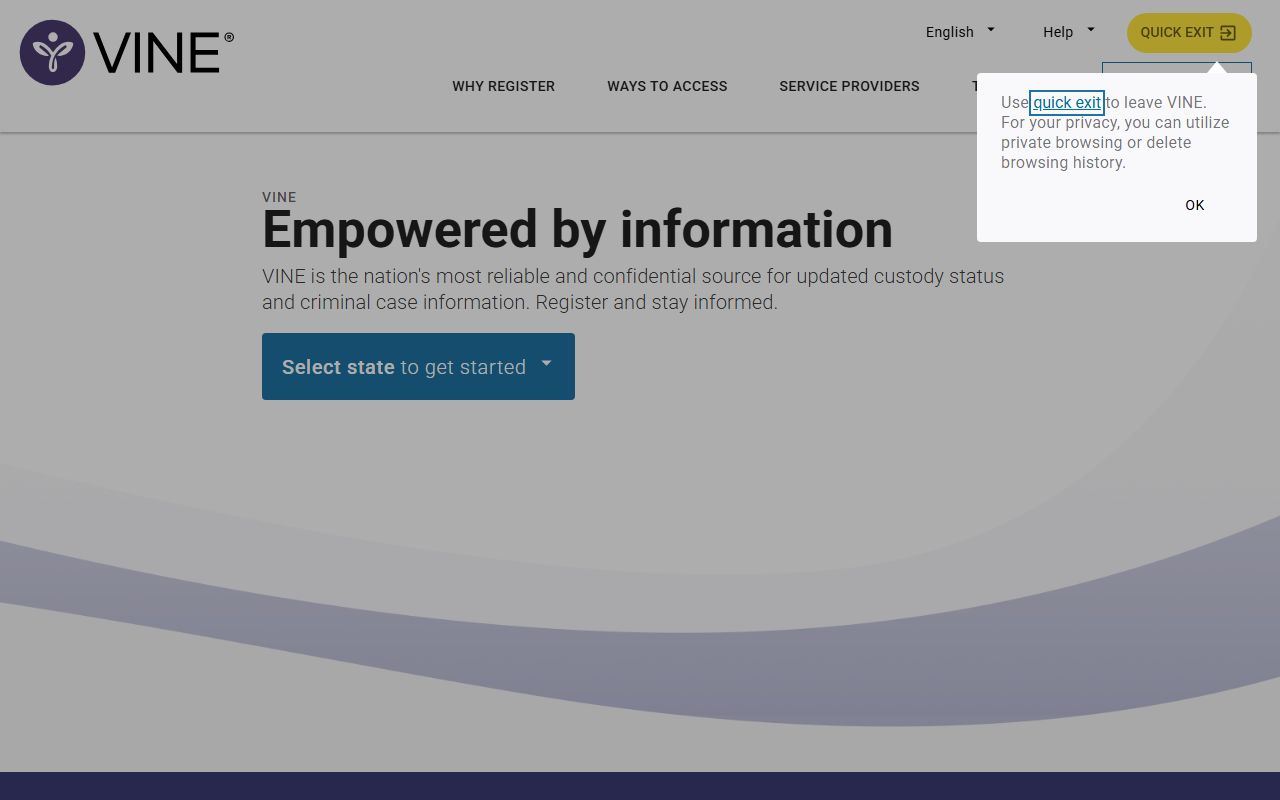
It is useful for following one person, but it does not produce population statistics for the county.
Searching for Lake County Inmate Records by Name
This page covers aggregate jail population data, not individual lookups. To search for a specific person in custody, use the Lake County inmate records page, which explains the jail records line and the VINELink custody check. Population figures and name searches are two different tasks, and they use different tools.
Where the Data Comes From
The local figures on this page come from the Lake County Sheriff's published capacity and corrections information. For state custody and release dates, the Indiana Department of Correction offender search is the authority, and it covers sentenced state prisoners rather than county detainees. You can reach it through the Indiana DOC offender search.
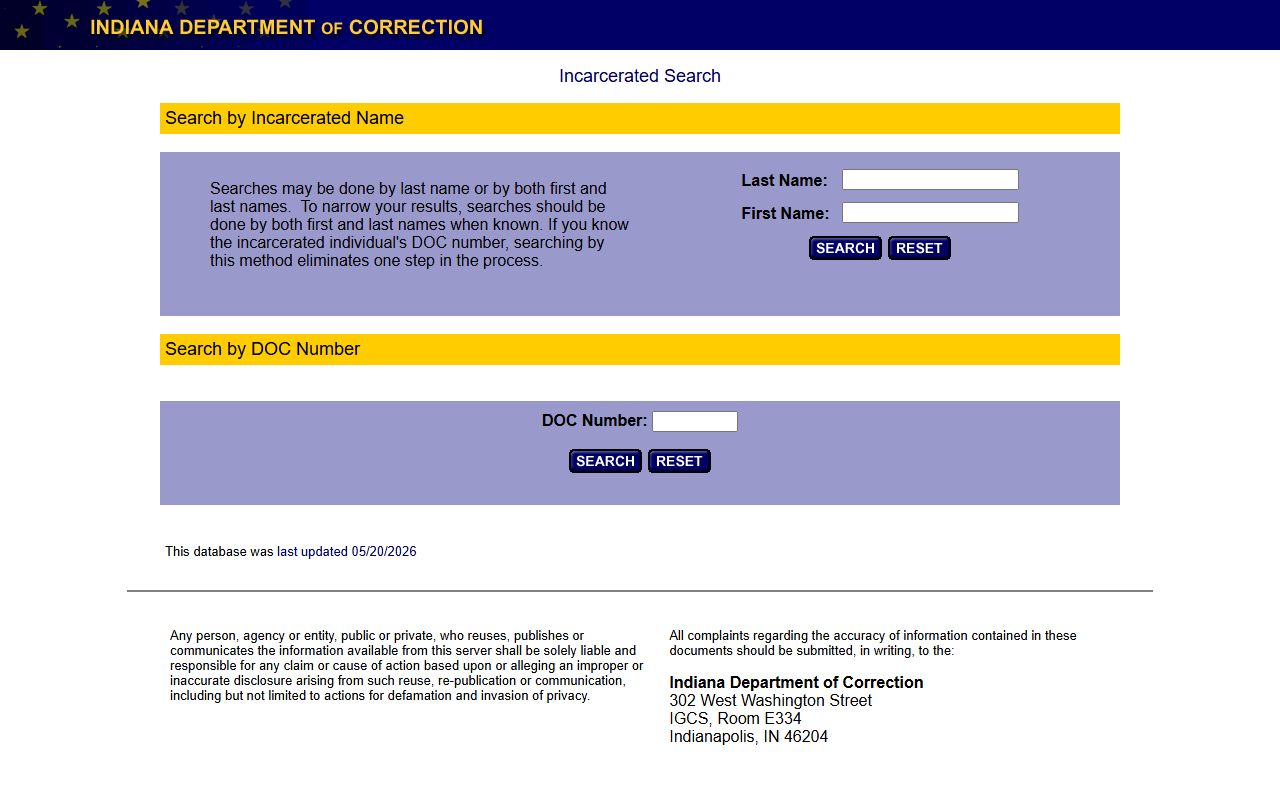
For national and state context, the Bureau of Justice Statistics and the Vera Institute of Justice are the standard sources, and any specific rate should be read directly from them rather than estimated here. Pulling each figure from its original source keeps the county, state, and national levels from being confused with one another.